AI Video Ads for Skincare Brands
One product photo in. A ready-to-run skincare video ad out, with script, AI presenter, voiceover and captions included.
Make my skincare ad free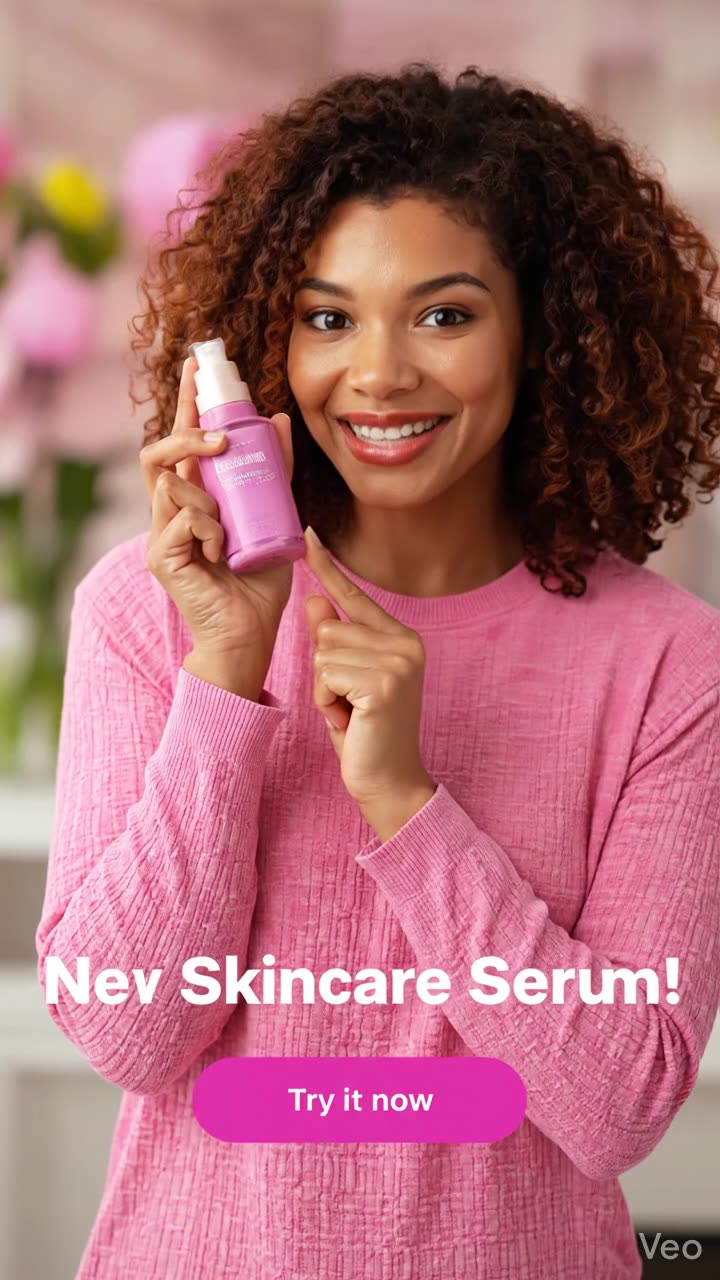
Skincare is the most creative-hungry category in D2C: audiences expect routine content, texture shots and honest-looking recommendations, and they punish anything that looks like a stock ad. That means a constant pipeline of UGC-style video, which traditionally means creators, shipping products, briefs and two-week turnarounds for a single 15-second clip.
IgniteAI generates that clip from a product photo. An AI presenter holds your actual product, same packaging, same label, and talks through the routine moment that sells it, while the engine handles script, voiceover, captions and music. When the ad fatigues (in skincare, that is weeks, not months), you generate the next variation instead of booking the next creator.
5 hooks that work for skincare ads
"Tired of serums that promise glass skin and deliver stickiness?"
"I had a 7-step routine. I kept exactly one product from it."
"Your moisturizer isn't weak. You're applying it to dry skin."
"2,100 orders and a 4.8 rating. This is the 15-second reason."
"This won't fix your skin in a week. Here's what it actually does."
Not sure yours measures up? Score it free with the Ad Hook Analyzer.
What a 15-second skincare ad looks like
Hook · 0–4s
The AI presenter, mid-routine in bathroom lighting, names the exact frustration ("foundation gone by lunch," "the 3pm oil check") with your product already in frame.
Feature · 4–11s
Texture close-up beat: the product applied on the back of the hand, presenter narrating the one hero claim (barrier repair, non-sticky finish) instead of five.
CTA · 11–15s
Presenter holds the bottle label-forward, states the offer and urgency ("the launch bundle drops this week") with the brand name spoken and captioned.
Why UGC-style AI video fits skincare
Routine content converts, studio polish doesn't
Skincare buyers trust content that looks like a person's bathroom counter, not a lightbox. UGC-style AI video lands in that register by default, and Meta's auction rewards the format with cheaper reach.
Claims discipline is built in
One hero claim per ad, stated plainly, outperforms ingredient walls, and keeps you clear of miracle-cure territory that gets skincare ads rejected.
Fatigue cycles are brutal
Skincare audiences see the same ad formats daily; creative wears out in 2–4 weeks. Regenerating a variation costs minutes and credits, not another creator cycle.
Upload one product photo and get a skincare video ad back in minutes. Free credits on signup, no card required.
Make my skincare ad →Frequently asked questions
Will the AI show my actual product packaging?+
Yes. The pipeline anchors every scene to your uploaded product photo, so the bottle, label and colors stay consistent across the hook, feature and CTA scenes. Product fidelity is the most engineered part of the system, because a warped label kills trust in exactly the category where trust is the purchase driver.
Can it do before/after style skincare ads?+
It can produce the storytelling version (a presenter describing the change over time) without fabricated clinical imagery. That keeps you inside Meta's policies for personal-care advertising, which restrict idealized before/after depictions, while preserving the narrative that sells.
What length works best for skincare ads?+
Start with 15 seconds: hook (4s), one hero benefit with texture beat (7s), CTA (4s). Skincare thumb-stop rates die after the first claim; a 30-second cut is worth testing only once a 15-second version already converts.